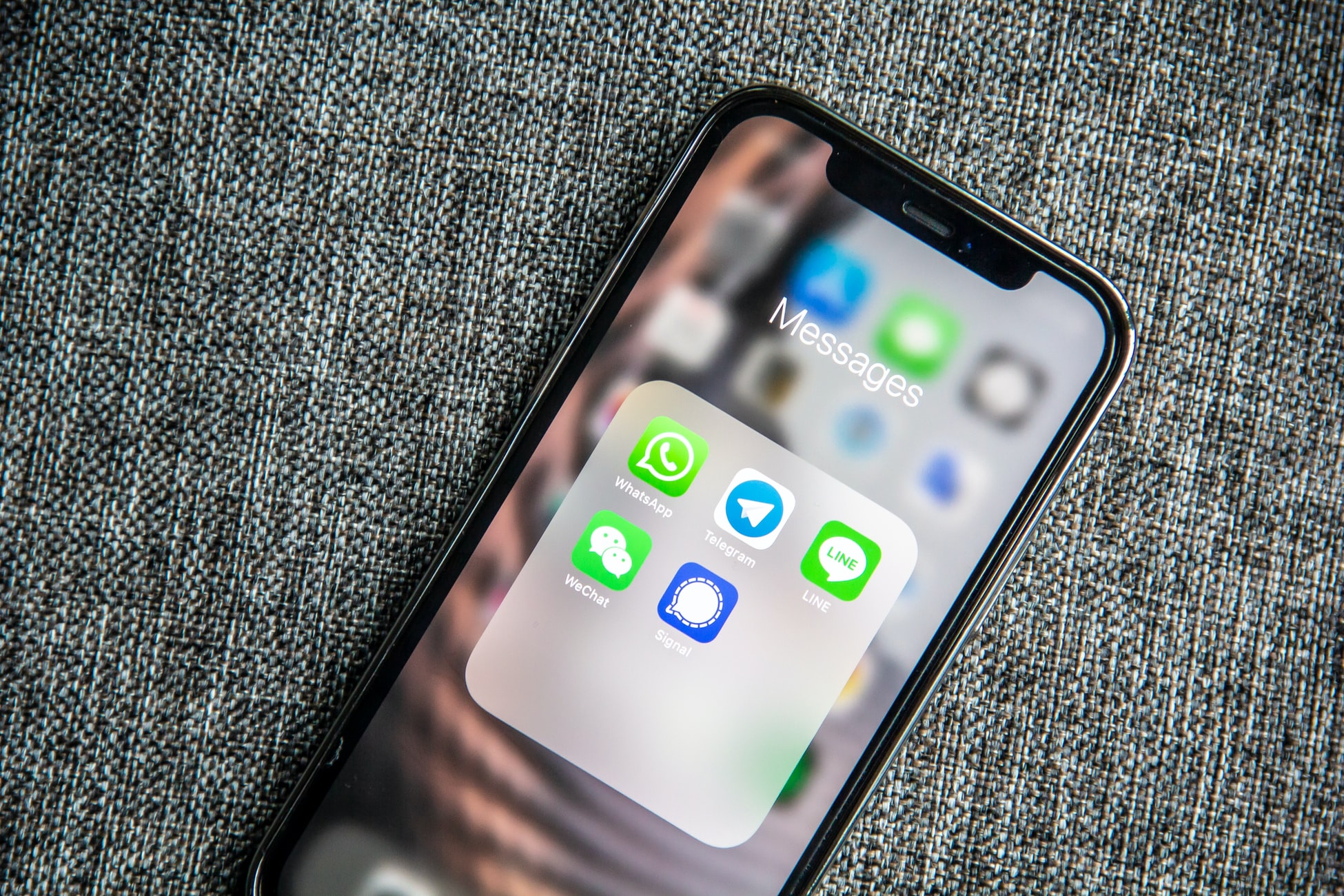
Smishing has been around for a while and is very similar to phishing, although not as popular. Smishing has the same objective as phishing scams, to deceive users into giving up sensitive data, but through a slightly different method. Smishing is phishing through short-message-service (SMS), this means through cellular text messages. It functions very similar to phishing, in which attackers will pose as friends, family, co-workers, social media and more to try and get the victim to click on links, share login information, credit card information, and so on. All the usual phishing scams will make an appearance in smishing, unpaid bills, refunds, blocked accounts, and so on, often leading to well-crafted spoofed websites or applications.
Like phishing, smishing tricks users into divulging sensitive information by convincing their targets that the SMS has come from a reliable source. While these types of social engineering attacks have been exploiting email accounts since the inception of the world wide web, users and cybersecurity experts are worried. Smishing attacks have increased over the last few years with an enormous spike in the number of attacks during COVID-19 quarantines.
Smishing can be more dangerous than typical phishing scams
Most users should be familiar with phishing scams and should be able to recognize one when they receive it. However, when it comes to text messages, a less familiar attack vector, the uninformed user is more likely to drop their guard. It is easier to block unwanted phishing emails on the enterprise network level, but with today's growing remote work culture users are continuing to work more from personal devices. There are far fewer methods to verify the legitimacy of URLs through a text message, so users often click links that do not immediately throw any red flags. Smishing can be even more effective than phishing, as mobile users typically open and respond to their text messages far more often than email.
How to stay safe against smishing
The safest way to avoid smishing attempts is to simply not engage. If a user sees a phone number they do not recognize, simply avoid responding or selecting any links in the message. Modern phones will often recognize when a message is being received from an email and indicate that to the user. However, attackers will get creative, designing emails and profiles that resemble actual phone numbers, or even common phone contacts. Attackers could also use smishing as a form of spear phishing (spear smishing?), messaging users using the names of co-workers or management.
Exercise basic precautions when opening suspicious text messages. Be aware if you store bank details or credit card information on mobile devices. If that information does exist on the device, scammers may be able to steal it.
Use two-factor authentication wherever possible, as well as utilizing different passwords across accounts and applications. This way even with a compromised password a scammer will be limited to raiding a specific account and not be able to use that information to access other accounts. If you suspect that you have fallen victim to a smishing attack, contact any companies which you suspect your account has been compromised and have them frozen. This way you can prevent any additional fraudulent expenditures and start the recovery process.
Also, just like phishing emails, refrain from clicking on any links in the text message unless it is from a trusted sender. Even when receiving an SMS with a link from a known sender, verify if they meant to send a link before clicking it. Never install apps directly from text messages, every application you install should come from the official app store. Most important of all, if you have any doubts, do not open the message.
For more news and updates, visit https://blog.excellimatrix.com/
You can also reach us out on Facebook, & LinkedIn or Contact us.
